The traditional dances of Mexico are an essential part of the country's cultural identity. Through movement, music and costumes, these artistic expressions transmit history, worldview and traditions that have been passed from generation to generation.
From pre-Hispanic rituals to mestizo celebrations, traditional Mexican dances reflect the cultural diversity that characterizes each region of the country.
What are the traditional dances of Mexico?
The traditional dances of Mexico are cultural manifestations that combine music, typical dress and choreography to represent religious beliefs, historical events or agricultural cycles.
Many of these dances have indigenous roots and were transformed during the colonial era, integrating European elements without losing their original essence.
Main traditional dances of Mexico
Here are some of the most representative traditional Mexican dances.
Tapatio Syrup
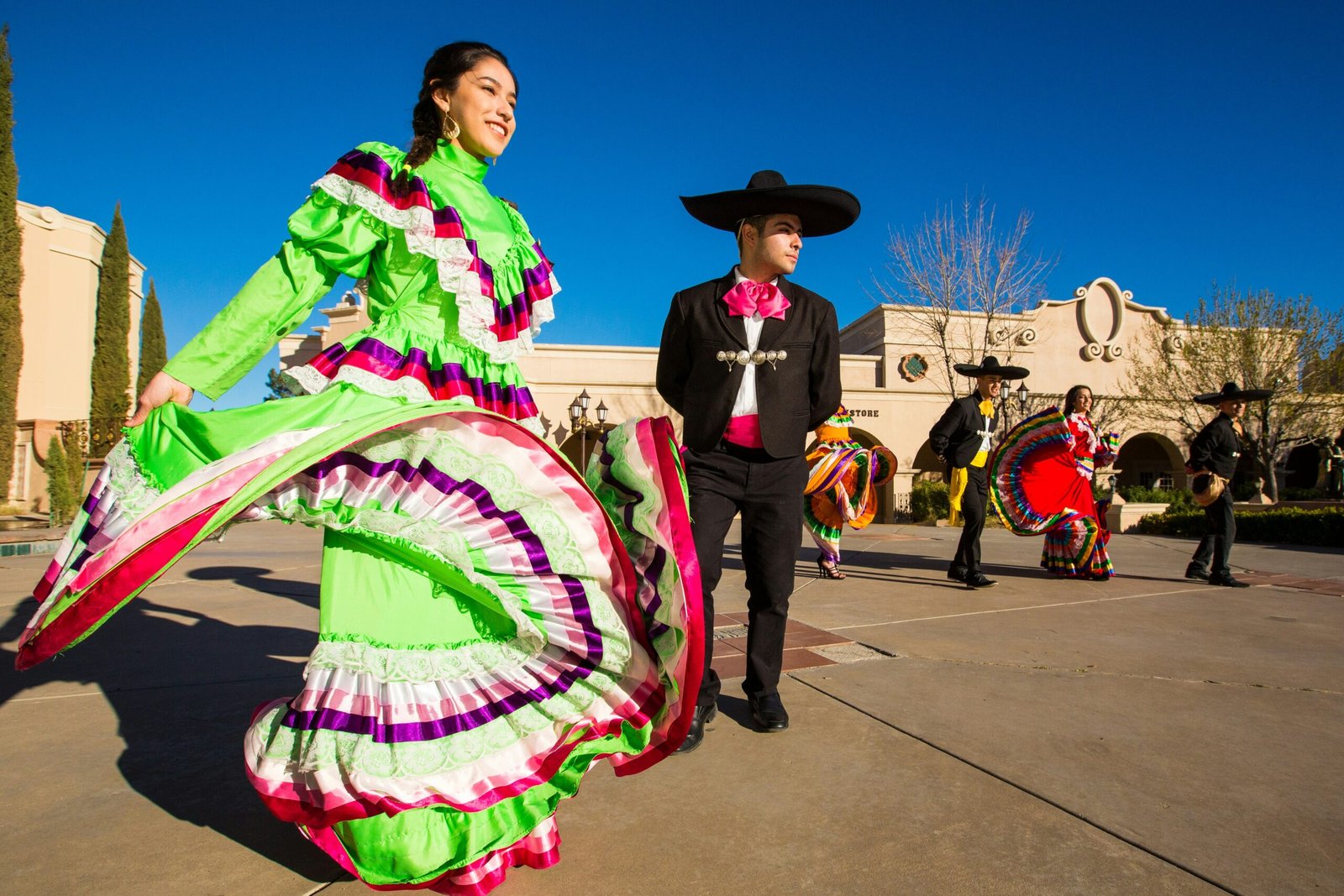
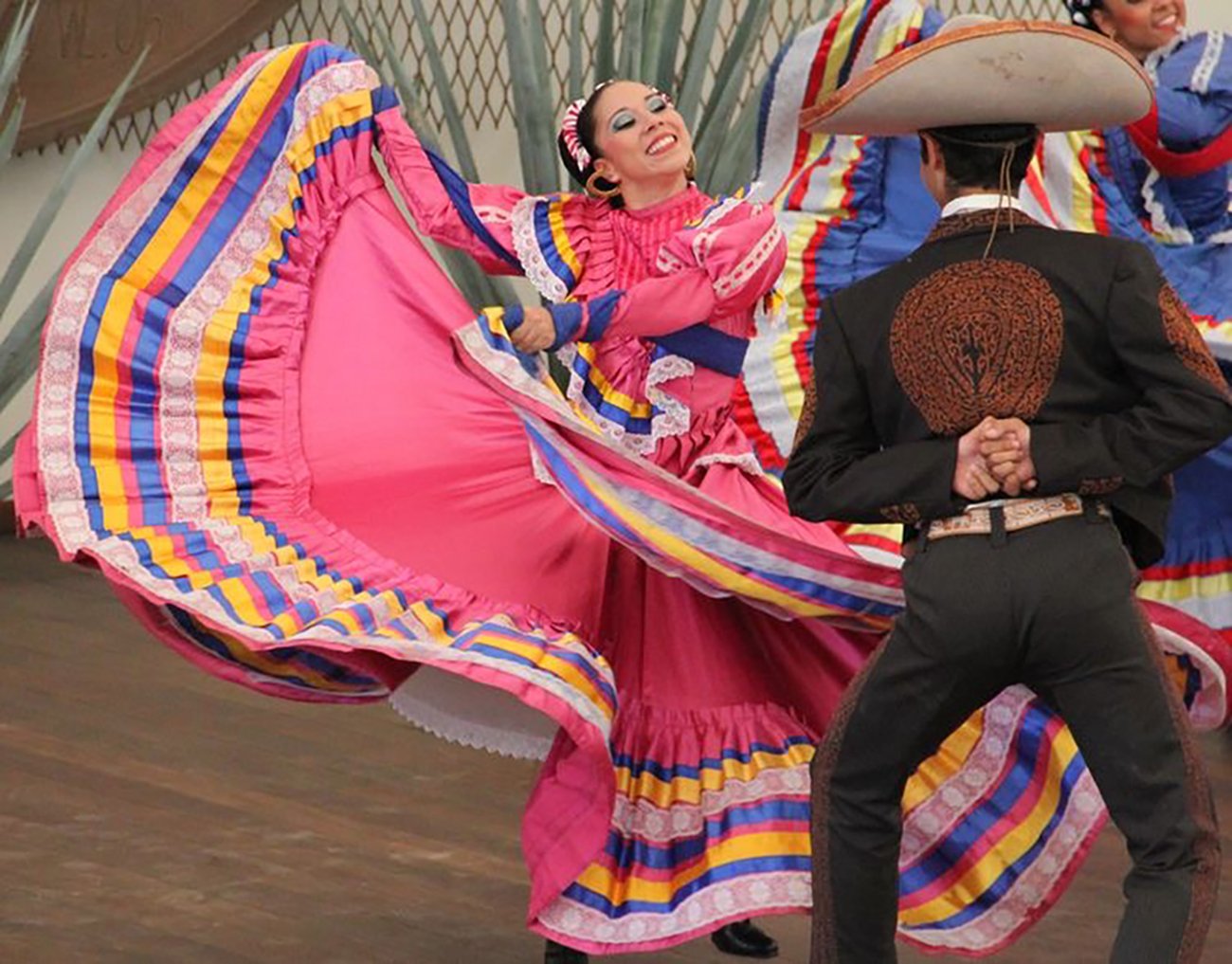
The Tapatio Syrup is one of Mexico's most internationally known traditional dances. Originally from Jalisco, it represents the courtship between a man and a woman.
It is characterized by:
- Wide and colorful women's dress
- Charro costume
- Rhythmic zapateado
It is considered a symbol of Mexican folklore.
Dance of the Voladores de Papantla (Papantla Flyers)
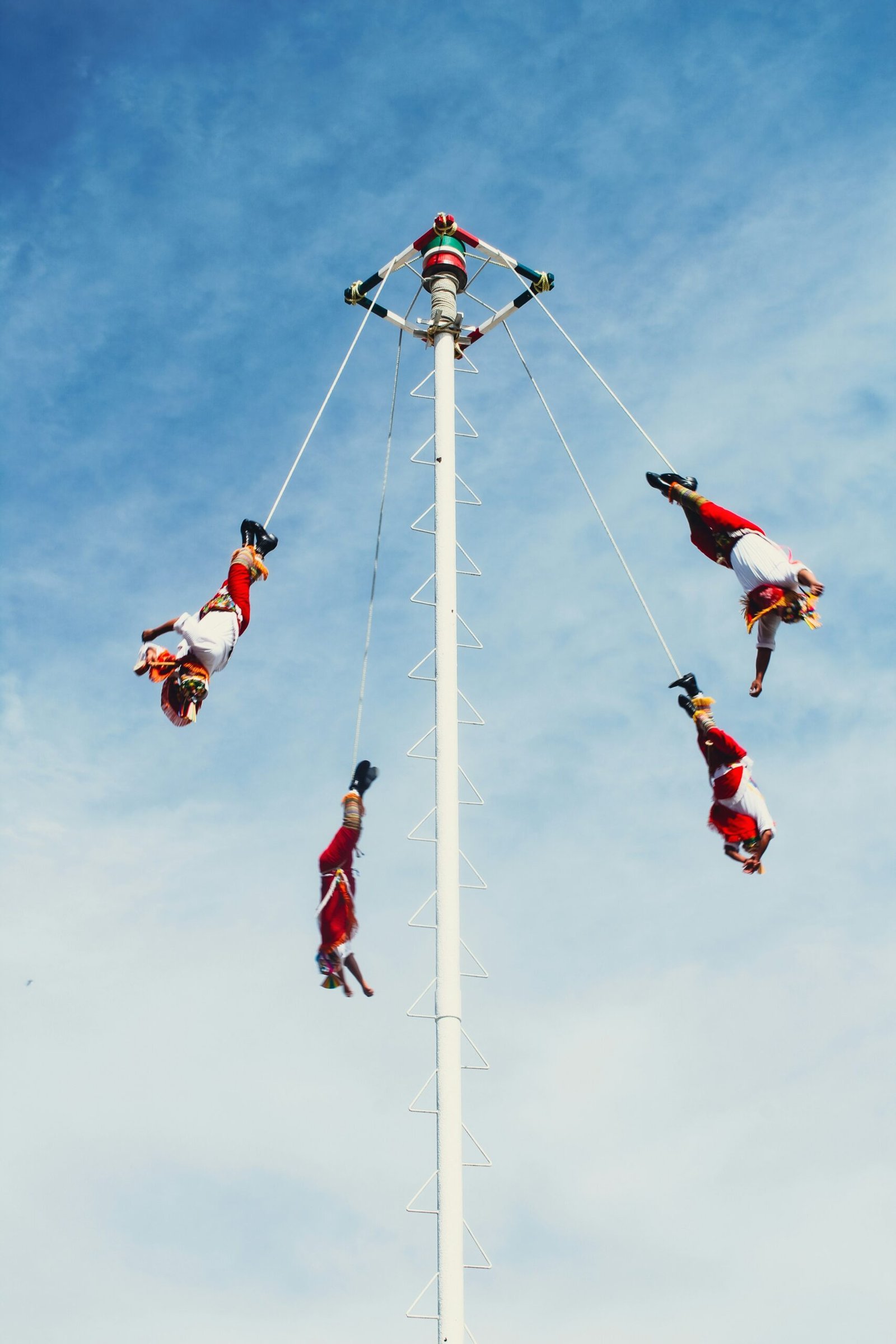
The Dance of the Voladores is a ritual ceremony originated by the Totonaca people in Veracruz.
Five men climb a pole more than 20 meters high. Four of them throw themselves tied with ropes as they rotate around the pole, symbolizing the four cardinal points.
This traditional Mexican dance was recognized as Intangible Cultural Heritage of Humanity.
Deer Dance
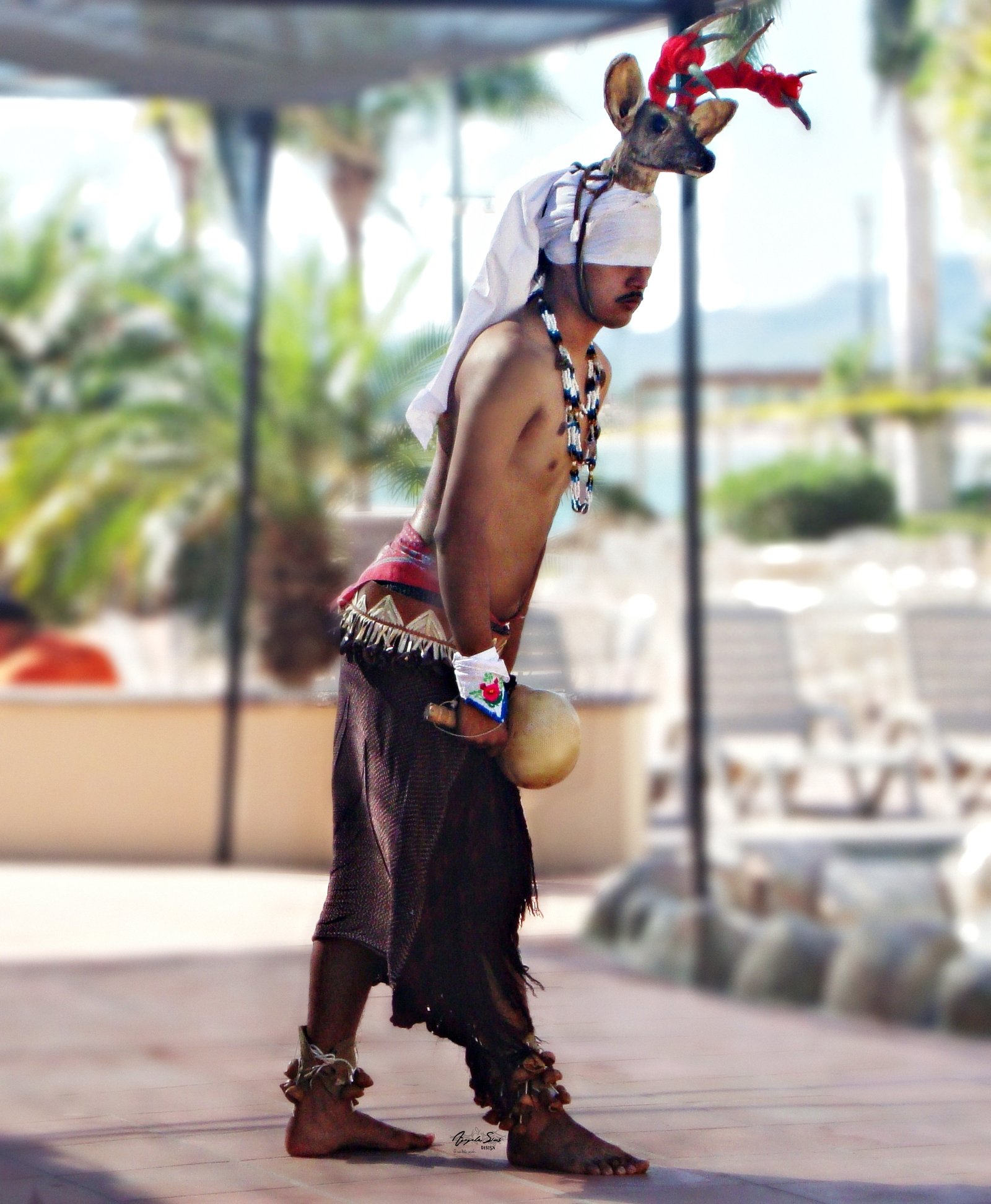
The Deer Dance comes from the Yaqui people in Sonora and represents deer hunting.
The main dancer carries:
- Stuffed deer head
- Rattles
- Agile and symbolic movements
It is one of the most spiritually charged traditional dances in Mexico.
Danza de los Viejitos
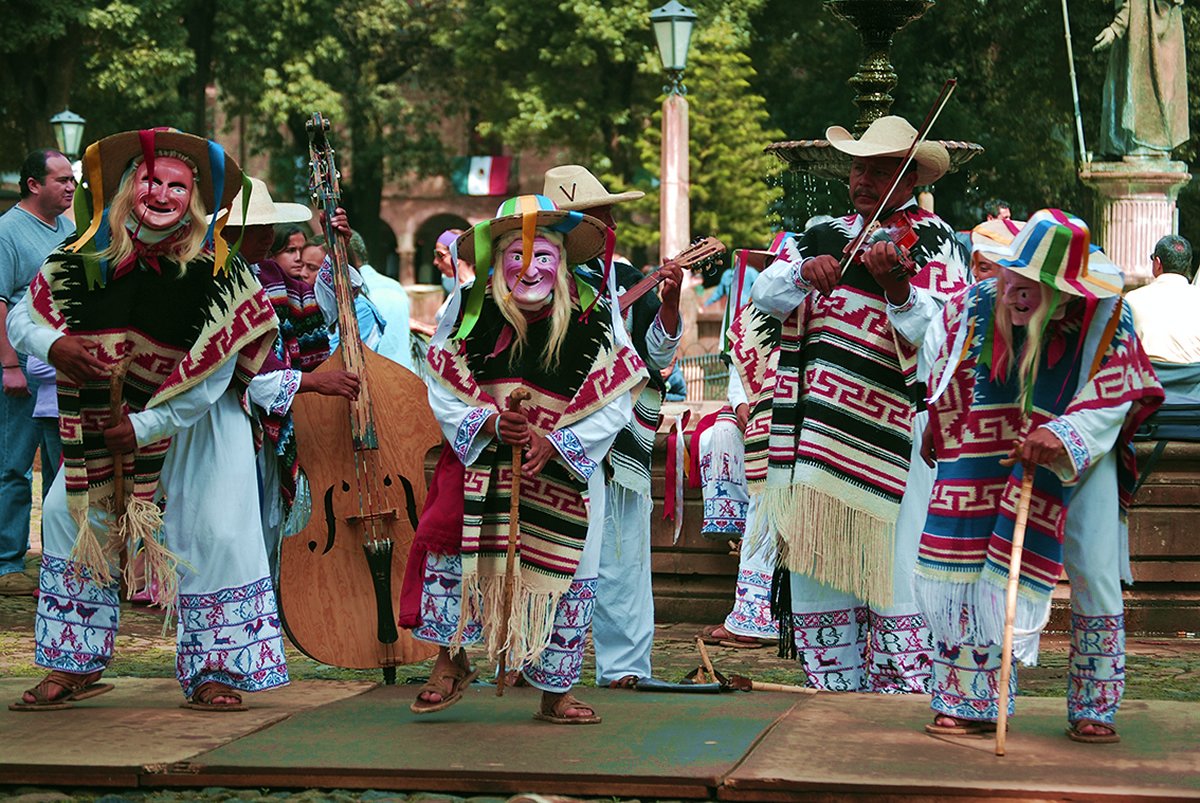
Originally from Michoacán, this traditional Mexican dance combines humor and social criticism.
Dancers wear:
- Masks for the elderly
- Straw hats
- Canes
It symbolizes the passage of time and wisdom.
Cultural importance of the traditional Mexican dances
Mexico's traditional dances are not only folkloric performances; they represent collective memory, regional identity and cultural resistance.
In many indigenous communities, these dances are still part of religious ceremonies and patron saint festivities.
In addition, they are essential in:
- National holidays
- Religious celebrations
- Cultural events
- Tourist festivals
Where can I see traditional Mexican dances?
It is possible to enjoy traditional Mexican dances in:
- Regional cultural festivals
- Independence Day Celebrations
- Tourism events in states such as Oaxaca, Veracruz, Jalisco and Michoacán
- Folkloric ballet performances
You can also read our article about most important mexican traditions: here.
Frequently asked questions about the traditional dances of Mexico
What is the most representative traditional dance of Mexico?
The Jarabe Tapatío is often considered the most representative dance at the international level.
Are traditional Mexican dances pre-Hispanic?
Some do, such as the Danza del Venado. Others emerged in colonial times combining indigenous and Spanish traditions.
Are the traditional dances of Mexico still alive?
Yes, many communities keep these traditions alive as part of their cultural identity.
Conclusion
The traditional dances of Mexico are a living expression of the country's cultural heritage. Each region brings a unique identity that manifests itself in music, clothing and symbolism.
Knowing and preserving them is fundamental to keep Mexican cultural richness alive.